
|
It seems like everywhere we go, the economic decline is injected into conversation. If you have been to a dental meeting lately, you know that the most common question sounds something like, ‘So how is your practice doing?’ For those of us who have built a dental implant focused practice, it is important to understand the impact of the present economy on implant dentistry. In addition, we should consider strategies to better position our practices to help us capitalize in the struggling economy.
The reality is that economic conditions are taking its toll on the entire dental implant marketplace from patients to manufacturers. Economic volatility and lower consumer confidence has patients concerned about spending discretionary income on dental implant treatment. Clinicians are commonly finding that patients are postponing treatment or opting for less costly alternative treatment options. As a result of these universal findings, companies like Straumann have reduced its global workforce and have lowered expectations for recently acquired businesses. Despite the bleak present, the long-term growth forecast of the implant market remains strong. The Millenium Research Group reported in March 2009 that the flat $750 million US dental implant market will begin to recover in 2010 and will exceed $1 billion by 2013.


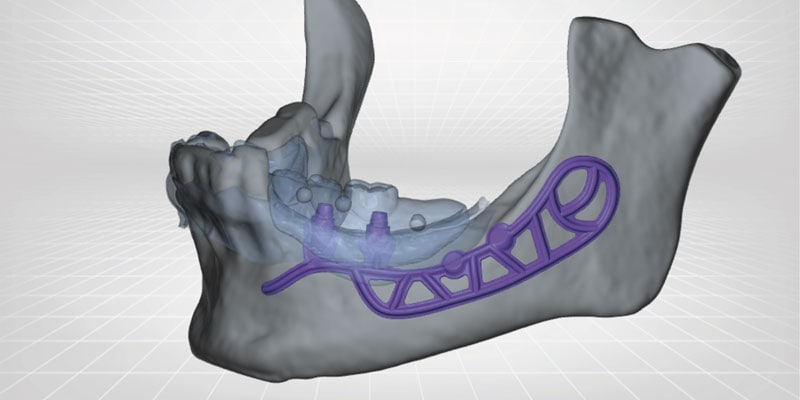
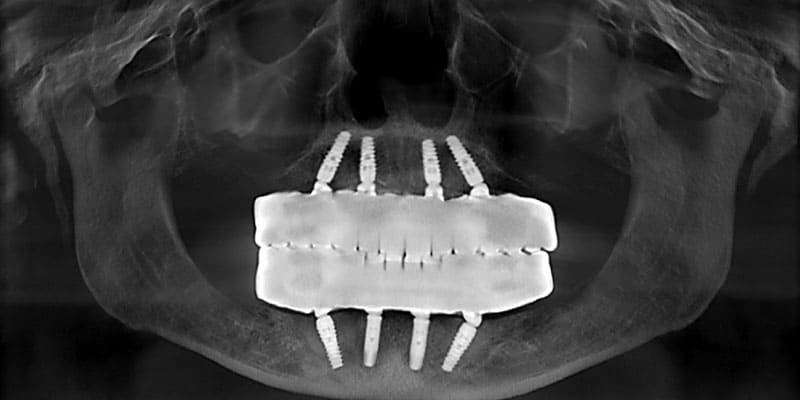
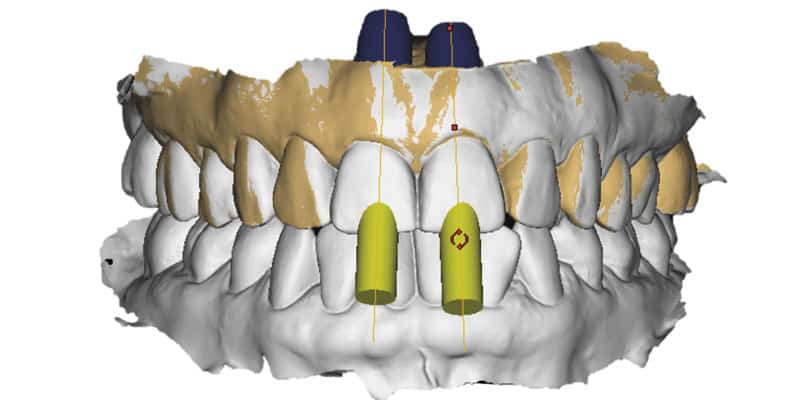
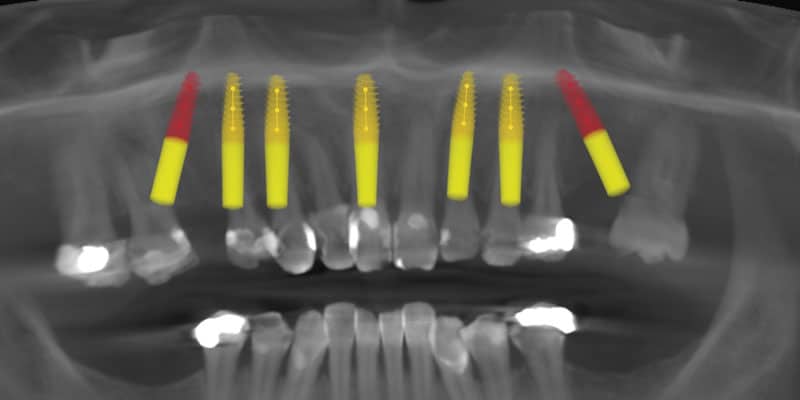
Uncertainty breeds… Practitioners are in a unique position during these uncertain times. The common reaction is to retract and cease investing into the business as a method conserve and protect. However, if we can place a renewed focus on efficiency, relationships, and effective purchasing, the implantfocused practice will be in an excellent position when the economy rebounds. Efficiency involves streamlining the workflow from initial examination to case completion. Establishing clear systems that maximize time utilization for every member of the dental team will yield improved profitability. Efficiency also involves the utilization of dental technologies that may potentially improve the reliability and repeatability of dental implant procedures. If technologies like CT scans, computer guided surgery, digital impressions, and CAD/CAM abutments can improve outcomes consistently, the clinician will realize improved profitability over time.
Maintaining positive relationships with patients, colleagues, laboratory partners, and vendors is more important now than ever. Customer service skills must permeate throughout the dental team to retain our patients during difficult economic times. Improved relationships with professional partners will only reinforce established partnerships for future growth. Closer interaction with our vendors will permit only greater commitment, leading to improved service. Improving purchasing decisions can directly and dramatically impact the flow of cash in the implant-focused practice. Not too long ago, implant manufacturers only extended discounts to orders in bulk. Clinicians are now in a position to command lower price points for smaller inventories, freeing up precious cash from stagnant inventory. A ‘just-in-time’ supply system can be employed effectively with pre-planning surgical and prosthetic cases with computer assisted planning technologies. In addition, all consumables should be looked at closely to determine where savings could be found with various supply distributors.

The dental implant economy is likely more fundamentally stable than the global economy. By positioning the implant practice properly now, the rebounding economy will pay dividends many times over with business growth, capacity, and quality. I am excited about our future in implant dentistry and wish you all to prosper.
Brian T Young DDS, MS
|